

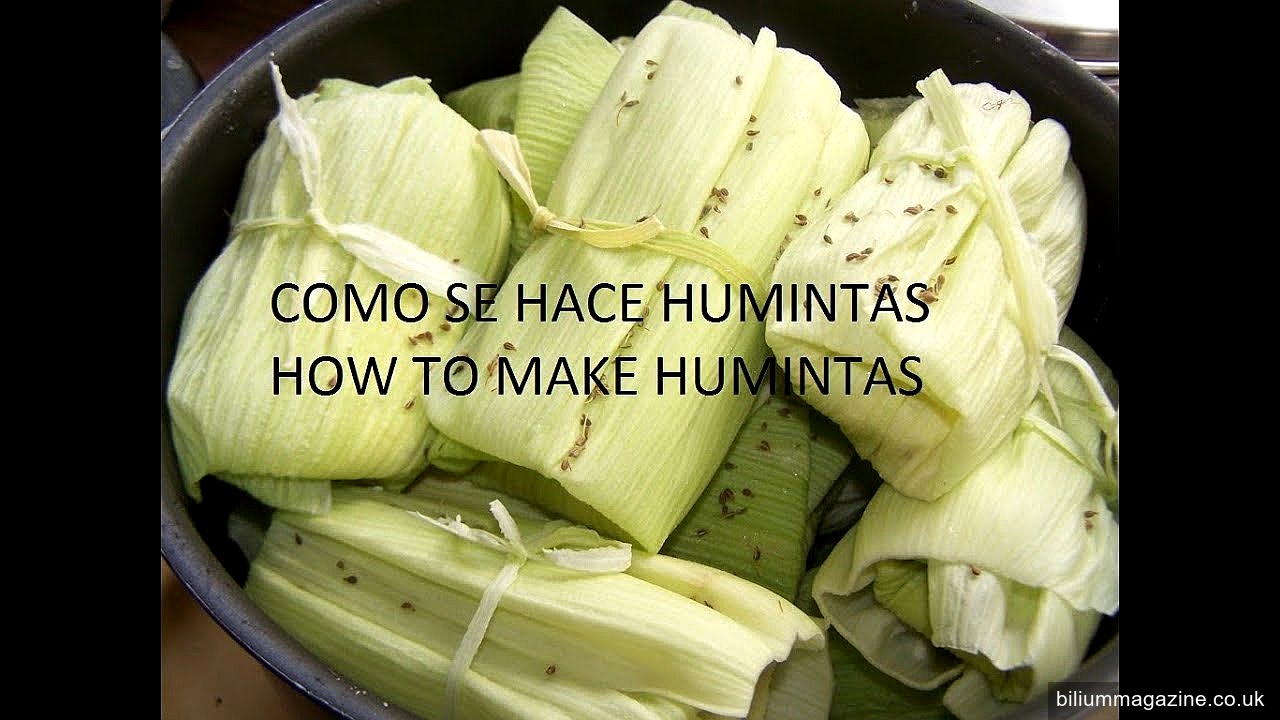
What Are Humintas? Unveiling the Culinary Heritage of the Andes
Humintas, also frequently known as humitas across various South American nations, represent one of the oldest and most revered culinary traditions originating from the high Andes. Rooted deeply in pre-Columbian indigenous gastronomy, this savory or sweet corn parcel has nourished communities across Bolivia, Peru, Ecuador, Chile, and northwestern Argentina for centuries. Unlike traditional Mexican tamales which rely heavily on dried corn flour (nixtamalized masa harina), authentic humintas are made from freshly grated young corn, traditionally known as choclo. This soft, starchy giant corn yields a naturally sweet, creamy, and lush batter that gives the huminta its distinctly delicate cake-like texture and fragrance. Wrapped snugly in green corn husks (pancas) and either steamed, boiled, or baked in clay ovens, humintas capture the vibrant essence of native Latin American agriculture in every single bite.
The beauty of the huminta lies in its remarkably versatile flavor profile, which shifts significantly depending on regional customs and individual family recipes. In the savory rendition, fresh corn paste is blended with rich melted butter or lard, fragrant spices such as anise seeds, salt, freshly ground peppers, and generous chunks of melting white cheese like queso fresco or queso criollo. Conversely, sweet humintas—often referred to as humintas dulces—are infused with warm ground cinnamon, dark brown sugar or chancaca, plump raisins, and sometimes a splash of milk or heavy cream. As the husks steam or bake, the corn release its natural sugars and moisture, melting the embedded cheese into a creamy, stringy center while sealing in the comforting aromas of the toasted husks. It is a harmonious interplay between sweet and salty notes that creates an unforgettable dining experience for anyone exploring traditional Andean comfort foods.
In modern urban centers, finding places that still prepare these delicate parcels from scratch using traditional techniques can transform an ordinary breakfast or afternoon snack into a rich cultural journey. Crafting genuine humintas requires immense labor, precision, and respect for native ingredients, making authentic Latin American bakeries, specialty markets, and family-owned restaurants true culinary gems. Whether you are craving a warm, comforting baked sweet corn parcel alongside your morning coffee or seeking a savory cheese-stuffed side dish for a weekend feast, taking the time to seek out the best humintas near me will reward your palate with an unparalleled taste of authentic South American heritage and culinary craft.
Regional Differences: Bolivian, Peruvian, Ecuadorian, and Chilean Variations
Understanding how humintas are styled across different South American countries is key to knowing what to expect when browsing menus at local ethnic eateries. Bolivian humintas, for instance, hold a special status as a beloved national treasure. Often baked in large batches rather than steamed, Bolivian humintas are renowned for incorporating aromatic anise seeds and generous slabs of salty artisanal cheese wrapped carefully within dried or fresh corn husks. When visiting vibrant metropolitan culinary hubs, discovering popular Latin American eateries in Washington, DC like Luzmary Bolivian Restaurant, Pan American Bakery & Grill, or Luzmila’s reveals how faithfully these traditions are kept alive, serving golden-baked humintas that boast a tender interior and a subtly crisp outer husk.
Peruvian humitas, on the other hand, highlight the stunning biodiversity of Peruvian white choclo, which features extraordinarily large, starchy kernels. In Peru, humintas are almost exclusively steamed in fresh green corn husks. The sweet version (huminta dulce) is deeply scented with cinnamon, cloves, and raisins, serving as a popular morning treat or street snack. The savory version (huminta salada) integrates finely chopped yellow ají peppers, onions, garlic, and fresh cheese, offering a subtle spicy kick that pairs brilliantly with local salsas. Meanwhile, Chilean humitas tend to keep the preparation delightfully simple, using fresh grated corn seasoned with fried onions, fresh basil, and butter, steamed into thick packets and traditionally enjoyed alongside a refreshing Chilean tomato and onion salad (ensenada chilena).
Ecuadorian humitas share similarities with their southern neighbors but often incorporate beaten eggs and baking powder into the corn mixture to achieve a fluffier, souffle-like consistency that melts in your mouth upon contact. Because each Andean nation infuses its unique regional herbs, cheeses, and cooking techniques into the recipe, exploring these nuances allows food lovers to appreciate the rich diversity of South American cuisine. Knowing these distinct regional profiles ensures that when you fire up your search engine to find the best humintas near me, you can select the exact style of restaurant—be it a cozy Bolivian panadería or a bustling Peruvian bistro—that perfectly matches your specific cravings.
What Makes an Exceptional Huminta? Key Quality Indicators
To truly appreciate a world-class huminta, one must understand the stringent quality benchmarks that set authentic, artisan-made versions apart from mass-produced imitations. The foundation of any incredible huminta is unquestionably the quality and freshness of the corn. Standard canned or frozen sweet yellow corn simply lacks the high starch content and dense texture required to build a structured yet velvety corn paste. Master huminta makers strictly source fresh, milky young choclo corn. The kernels must be grated or ground to just the right consistency—fine enough to form a smooth paste, yet coarse enough to retain a satisfying, toothsome body that holds its shape inside the corn husk without becoming mushy or watery.
Another crucial indicator of quality is the wrapping technique and cooking methodology. Authentic humintas are bound exclusively in high-quality corn husks tied securely with thin strips torn directly from the husks themselves, avoiding synthetic strings or aluminum foil whenever possible. The husk is not merely a wrapper; it acts as an organic steaming vessel that infuses the corn mash with an earthy, vegetal aroma during the cooking process. Whether baked until light golden-brown or gently steamed in a sealed pot layered with leftover husks, an exceptional huminta should easily separate from its husk wrapper upon opening, revealing a moist, shiny, and intact outer surface without sticking excessively to the leaves.
Finally, the internal balance of flavors and filling distribution determines whether a huminta is truly legendary. In savory versions, the cheese must be generously centered so that every bite offers a stretch of warm, gooey, melted saltiness to balance the subtle sweet undertones of the freshly ground choclo. In sweet variants, the sugar or brown chancaca syrup should accentuate the corn’s natural flavors rather than overpower them with cloying sweetness. When food enthusiasts know how to identify these precise details regarding ingredient freshness, wrapping technique, and flavor equilibrium, they can easily locate the best humintas near me and enjoy an authentic tasting experience every single time.
Where to Locate Authentic Spots: From Specialty Bakeries to Fine Dining
Tracking down genuine Andean humintas in your local neighborhood requires a bit of insider knowledge on where traditional Latin American food purveyors operate. Specialty Latin bakeries (panaderías) and small, family-owned Bolivian, Peruvian, or Ecuadorian eateries are consistently the best places to begin your quest. These establishments often prepare fresh batches early in the morning, filling the neighborhood with the intoxicating aroma of toasted corn husks, melted cheese, and sweet cinnamon. In major food cities, spots like DC Al Toque, Delicias Del Gato, and La Hueca have built loyal followings precisely because they preserve these traditional heirloom recipes without taking shortcuts.
Beyond traditional neighborhood bakeries, modern Latin American gastropubs and upscale dining establishments have also embraced the humble huminta, elevating it from a rustic street food into a sophisticated culinary starter. Contemporary chefs are incorporating gourmet ingredients such as aged Andean cheeses, roasted chili emulsions, truffle oils, and wild mushroom ragouts into their huminta offerings while retaining the traditional corn-husk steaming method. Establishments like MITA offer innovative plant-forward interpretations that showcase the culinary flexibility of Andean corn, demonstrating that this ancient dish can shine just as brightly in an elegant multi-course dining setting as it does on a casual breakfast table.
Timing is another critical factor when seeking out the freshest products available near you. Many small bakeries make limited daily quantities of humintas, especially on weekend mornings when local community members gather for traditional family breakfasts. To ensure you catch them hot out of the oven or steamer, plan to visit early in the day or call ahead to reserve your order. Utilizing specialized dining apps, localized search terms, and community food forums while searching for the best humintas near me helps pinpoint hidden neighborhood gems that might not otherwise be visible on high-traffic tourist maps.
Pairing Suggestions and Culinary Experiences
To fully appreciate the cultural ritual of eating humintas, pairing them with traditional South American beverages and side dishes creates an immersive dining experience. For breakfast or an afternoon break (often referred to as lonche or merienda), a warm sweet huminta pairs magnificently with a steaming cup of Bolivian Api—a thick, fragrant hot beverage made from purple corn, cinnamon, cloves, and lemon juice. The vibrant acidity and spice of the Api cut through the rich, buttery sweetness of the corn parcel, creating a perfectly balanced flavor harmony. Alternatively, a freshly brewed cup of dark roast Latin American coffee or rich hot chocolate offers a classic, comforting pairing that elevates the meal.
Savory humintas shine brightest when accompanied by bright, tangy condiments that counteract the rich density of the fresh corn and melted cheese paste. The absolute gold standard accompaniment is salsa criolla—a crisp Peruvian relish made from thinly sliced red onions, fresh cilantro, fiery habanero or rocoto peppers, and a generous squeeze of freshly squeezed lime juice. The sharp, refreshing lime acid and crunchy onion texture provide a stunning contrast to the warm, velvety soft huminta. In addition to savory condiments, pairing your meal with other iconic Andean baked goods, such as authentic Peruvian alfajores with dulce de leche, rounds out a memorable dessert table that showcases the very best of traditional South American pastry arts.
If you are serving humintas as part of a larger lunch or dinner feast, they function wonderfully as a substantial side dish alongside grilled meats, roasted chicken (pollo a la brasa), or tender braised pork belly. In Chilean cuisine, humintas are almost exclusively enjoyed as a light lunch during warm summer months, paired simply with sliced garden tomatoes drizzled with olive oil and sprinkled with chopped fresh basil. Incorporating these traditional pairing strategies when you bring home fresh treats after finding the best humintas near me ensures you experience the dish exactly as it was intended to be enjoyed in its native homelands.
Homemade vs. Restaurant-Quality: Can You Make Them Yourself?
While discovering top-tier local bakeries is always a delight, adventurous home cooks often wonder if they can successfully recreate authentic humintas in their own kitchens. The short answer is yes, though it demands patience, specialized ingredients, and traditional technique. The greatest challenge for cooks residing outside South America is sourcing the proper variety of corn. Standard sweet yellow corn found in typical supermarkets contains far too much water and not enough starch, resulting in a loose batter that fails to set properly. Home cooks must seek out frozen or fresh Andean choclo at specialized Hispanic grocery stores to achieve the dense, rich texture that defines genuine humintas.
The preparation process itself is a labor of love that involves carefully stripping fresh corn husks without tearing them, soaking them in hot water to make them pliable, grating the raw corn kernels, and beating the paste with melted lard or butter, cheese, and aromatics. Folding the husks into secure, leak-proof packets requires a bit of practice; the sides must be tucked neatly and tied firmly to prevent boiling water or steam from seeping into the filling during the cooking process. Baking them in a oven yields a delicious, slightly brown crust on the outside, whereas steaming them preserves a silky, delicate texture throughout the center.
Given the meticulous hand labor and precise ingredient sourcing required to make these delicacies from scratch, supporting your local authentic Latin American bakeries and restaurants is often the most rewarding choice. These dedicated artisans dedicate hours every day to preserving ancient regional culinary heritage so that food lovers can enjoy fresh, hot humintas anytime. The next time you find yourself craving a genuine taste of South American comfort food, simply searching for the best humintas near me will guide you directly to local craft makers who are eager to share their passion and culture through this timeless corn delicacy.
