

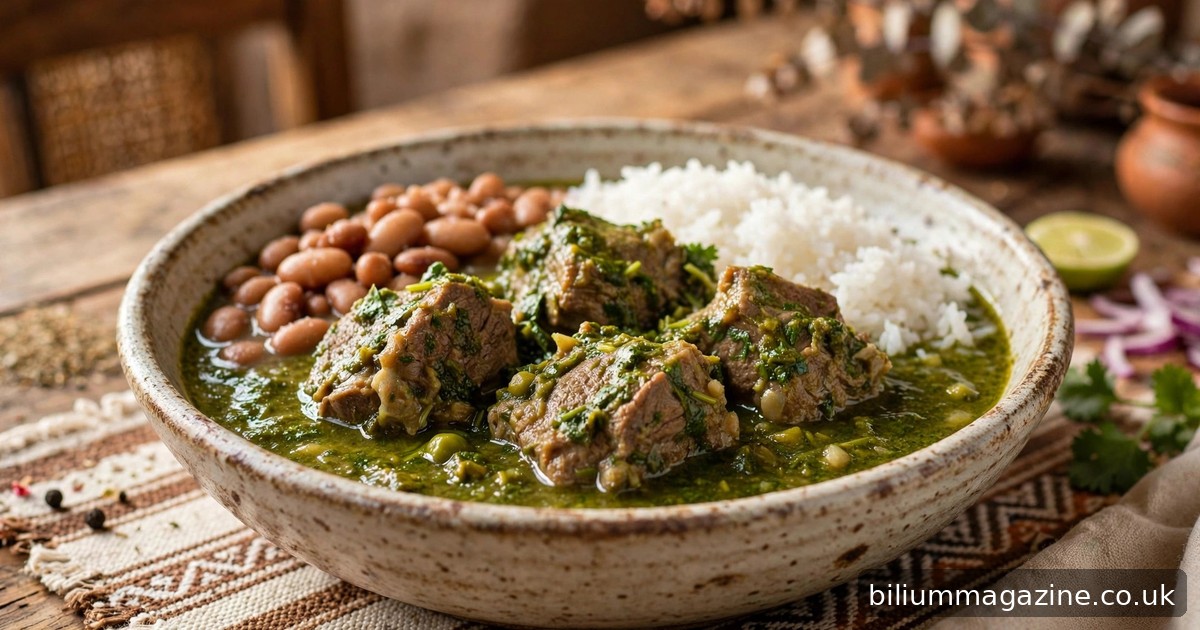
Best Seco de Cordero Near Me: Where to Find It
Search best seco de cordero near me and you’ll mostly find recipes. That’s a shame, because seco de cordero — Peru’s slow-cooked lamb in a vivid green cilantro sauce — is the kind of dish that improves dramatically in a restaurant kitchen with a low simmer and no clock-watching. It’s also the dish that separates Peruvian restaurants worth your loyalty from the ones just riding the ceviche wave.
This is Peru’s great lamb stew: tender chunks of lamb braised in a sauce of blended cilantro, onion, garlic, cumin, and beer or stock, served over rice with beans. It carries a 500-year-old story in every spoonful, it has two close siblings that menus love to confuse it with, and it rewards a very specific kind of restaurant search. Here’s how to find the real thing.
Quick Answer: Where to Find Seco de Cordero Near You
Short on time? Seco de cordero lives at traditional Peruvian criollo restaurants — not ceviche bars, but the homestyle kitchens serving the full Peruvian canon. Search reviews for “seco” by name, favor restaurants mentioning northern Peruvian or Chiclayo-style cooking, and call ahead: it’s a slow-braised dish often made in limited daily batches. In London, the Peruvian spots near London Bridge are a verified starting point. Expect a hearty, affordable main — and don’t confuse it with its beef sibling, seco de res.
What Is Seco de Cordero, Exactly?
Seco de cordero is lamb stewed low and slow in a sauce built on fresh cilantro blended with onion and garlic, seasoned with cumin, and braised in beer or stock until the meat surrenders. It’s traditionally served with white rice and beans — cannellini, garbanzo, or Peruvian butter beans depending on the kitchen — and the plate should arrive glossy, green, and fragrant.
The name needs a footnote: seco means “dry” in Spanish, which confuses everyone the first time. The dish isn’t dry at all — the name is a historical quirk, possibly referencing an older English sailor’s dish or simply the reduced, concentrated sauce. Don’t let the name put you off; there’s nothing dry about it.
The deeper story is the dish’s origin. Food historians consider seco the most visible evidence of the Moorish legacy in Peruvian cooking — essentially a Peruvianized Moroccan lamb tagine, carried across the Atlantic by Spanish colonists whose own cuisine bore centuries of North African influence, then rebuilt with Andean ingredients. The slow braise, the aromatic herb base, the cumin: the tagine DNA is unmistakable once you know to look for it. Five hundred years later, it’s become so thoroughly Peruvian that most Peruvians have never heard the tagine comparison — but the technique lineage is real.
Seco belongs to northern Peru in particular, where the related goat version reigns, but the lamb version is the one you’ll find at traditional criollo restaurants in Lima and, by extension, at the serious Peruvian kitchens abroad. It’s comfort food with pedigree: the dish Peruvian families make for Sunday lunch and the dish restaurants make to prove they can cook.
Seco de Cordero vs. Seco de Res vs. Seco de Cabra
Menus are sloppy about the seco family, so here’s the field guide. All three share the cilantro-based braising method; the animal changes everything else.
Seco de cordero (lamb) is the classic restaurant version — richer than beef, more tender when done right, with a sweetness that plays beautifully against the herbal sauce. This is the one to order when a menu offers the choice.
Seco de res (beef, usually rump) is the everyday version — what you’ll find at inexpensive lunch spots and in home cooking. Same technique, humbler cut, lower price. There’s no shame in it; a good seco de res beats a bad seco de cordero. But if you’re hunting the best, lamb is the target.
Seco de cabra (goat), also called seco de cabrito, is the northern specialty — the pride of Chiclayo-style restaurants, traditionally braised with chicha de jora (fermented corn drink). If a restaurant specializes in northern Peruvian cuisine and you’re feeling adventurous, the goat version is the connoisseur’s order. Even committed goat skeptics tend to convert.
Practical takeaway: if a menu just says “seco” without specifying the meat, ask. Nine times out of ten at a budget spot, it’s res. At a restaurant advertising cordero specifically, they’ve made a deliberate choice — and deliberate choices are what you’re hunting.
What Makes a Great Seco — and a Bad One
Seco is a technique dish disguised as a humble stew. The difference between great and mediocre comes down to patience and cilantro.
Lamb that surrenders. The single non-negotiable: the lamb should be spoon-tender, yielding at the touch of a fork, having given its flavor to the sauce and taken the sauce’s flavor in return. Chewy, resistant lamb means the braise was rushed — and a rushed seco isn’t really seco. Low heat, long time, no shortcuts. This is the first thing to check and the hardest thing to fake.
Green from cilantro, not from a bottle. The sauce’s vivid green should come from a lot of fresh cilantro blended into the base — we’re talking bunches, not sprigs. Good seco tastes green: herbal, fresh, alive. Bad seco is brownish-green and tastes of generic “stew” — the sign of a timid hand with the cilantro or, worse, a jarred base. Some kitchens add spinach to stabilize the color; that’s a legitimate technique, but cilantro should still dominate the flavor.
The beer-or-chicha depth. Traditional recipes braise the lamb in beer, which cooks down to a malty richness, or in the north, chicha de jora, which adds a funky fermented-corn complexity. Either way, the liquid should taste integrated — part of the sauce, not sitting on top of it. A seco that tastes watery was braised in plain water by someone in a hurry.
Balanced seasoning. Cumin is seco’s backbone spice, but it should support, not dominate. Garlic and onion build the savory floor. Ají or green chili adds warmth in some versions. What you shouldn’t taste: raw alcohol, harsh cumin bitterness, or salt as the lead flavor.
The right plate. Seco de cordero is served with white rice and beans — the starches aren’t optional; they’re how you eat the sauce. The rice should be separate enough to stay distinct, the beans creamy. A seco served without beans has lost half its identity.
How to Find the Best Seco de Cordero Near Me
The search strategy here is about restaurant type. Peru’s restaurant scene splits roughly into cevicherías (seafood specialists), pollerías (rotisserie chicken), and criollo/traditional kitchens — and seco belongs firmly to the third. Here’s how to filter.
Step 1: Search “Peruvian restaurant near me,” then look past the ceviche. Nearly every Peruvian restaurant serves ceviche; far fewer serve seco. Open the menus and search within for “seco” — if it appears, especially as “seco de cordero” rather than just “seco,” you’ve found a kitchen with range. Restaurants whose menus run deep into criollo classics (ají de gallina, lomo saltado, carapulcra, olluquito) are your prime candidates.
Step 2: Favor northern-Peruvian and Chiclayo-style spots. Restaurants advertising northern Peruvian cuisine — Chiclayo specialties, cabrito, chicha de jora — understand the seco family at a deeper level than generalist Peruvian kitchens. Even if you order the lamb version, a northern-specialist kitchen will braise it with more authority.
Step 3: Search reviews for “seco” and “lamb” together. Review text is your highest-signal source: “the seco de cordero falls off the bone,” “best lamb stew,” “tastes like my grandmother’s.” Look for tenderness mentions specifically — that’s the quality axis that matters. Photos help too: you’re looking for that glossy green sauce, not a brown gravy.
Step 4: Call ahead and ask about the batch. Seco is a braise, which means it’s made in quantities and served until it runs out — many kitchens prepare it fresh daily but in limited amounts. Calling to confirm it’s on today (“Do you have seco de cordero today?”) avoids the disappointment of arriving to an empty pot. While you’re on the phone, ask whether it’s lamb or beef: menus aren’t always precise.
Step 5: Use the London shortcut if you’re in the UK. London’s Peruvian scene near London Bridge includes established spots serving traditional dishes like seco de cordero — a verified starting point if you’re in the capital. Elsewhere in the UK, search the major cities’ Peruvian restaurants with the menu-filter method above; the community is concentrated enough that most large cities have at least one serious criollo kitchen.
Step 6: In the US, follow the Peruvian corridors. The deepest Peruvian restaurant scenes are in New Jersey, South Florida, the DC/Maryland/Virginia area, Los Angeles, and New York — with Paterson, NJ often cited as the most concentrated. In these areas you can afford to be picky: filter for criollo menus and northern specialties, and you’ll find excellent seco.
If hunting regional dishes is your thing, our guide to finding the best restaurants near you covers the review-reading method in more detail — searching the dish name inside reviews is how you separate kitchens that braise properly from ones going through the motions.
What to Expect: Price and Timing
As of 2026, seco de cordero abroad is typically priced as a mid-range hearty main — roughly £12–£18 in the UK or $15–$24 in the US, varying with the city and the restaurant’s positioning. Lamb costs more than beef, so expect seco de cordero to sit a few pounds or dollars above seco de res on the same menu. It’s filling enough that one plate is dinner; the rice-and-beans architecture makes it one of the better values on most Peruvian menus.
Timing is forgiving: unlike festival dishes, seco is year-round food, a staple of the criollo repertoire rather than a seasonal special. The main timing risk is the batch running out — popular spots can sell through their daily seco by late evening, which is another reason the call-ahead habit pays off. Lunch services at Peruvian restaurants sometimes offer it as part of a menu del día at a lower price, which is the insider’s value play.
The Homemade Shortcut: Seco de Cordero at Home
Seco rewards patience more than skill. If you can brown meat and wait, you can make it — and a home version with good lamb often beats a rushed restaurant one.
What you need (serves 6–8):
- 1 kg lamb shoulder, cut into large chunks
- 2 large bunches of fresh cilantro, blended into a paste with a splash of water
- 1 large onion, finely chopped; 4–5 garlic cloves, minced
- 1 teaspoon ground cumin, salt, and black pepper
- 1 bottle of lager or a light beer (or lamb/chicken stock if you prefer no alcohol)
- 1 carrot, diced; 1 cup peas; 3–4 waxy potatoes, halved
- White rice and cooked cannellini or butter beans, to serve
The method: Season the lamb with salt, pepper, and cumin; brown it hard in oil and set aside. In the same pot, soften the onion, garlic, and carrot, then stir in the cilantro paste and cook until it darkens slightly and smells intensely green. Return the lamb, pour in just enough beer or stock to barely cover, and simmer — low, lid on — for about an hour and a half. Rest the potato halves on top of the stew (don’t stir them in), cover, and cook 20–30 minutes more until the potatoes are tender and the lamb yields to a fork. Scatter peas in for the last few minutes. Serve over white rice with beans and the green sauce spooned generously over everything.
The honest secrets: don’t skimp on the cilantro — the big bunch that looks excessive is exactly right. Brown the lamb properly; the fond is flavor. And keep the simmer genuinely low — a rolling boil toughens the meat no matter how long you cook it. Northern Peruvian cooks would use chicha de jora instead of beer; if you can find it at a Latin market, it adds an authentic fermented depth, but beer is the standard substitute and works beautifully.
Frequently Asked Questions
Is seco de cordero spicy?
Not really. It’s aromatic and savory rather than hot — the warmth comes from cumin and black pepper, not chilies. Some versions include ají or green chili in the base, but even then it’s mild by Peruvian standards. If you want heat, ask for ají sauce on the side.
Why is it called “seco” if it’s a stew?
Seco means “dry” in Spanish, and the name is a historical puzzle — possibly referencing an old sailor’s dish or the concentrated, reduced nature of the sauce. The dish itself is a proper braised stew with plenty of sauce. The name is tradition, not description.
What’s the difference between seco de cordero and lamb tagine?
They’re related but distinct. Seco is arguably descended from the Moorish-influenced tagine tradition via Spanish colonists, and the slow-braise technique and cumin are shared DNA. But seco’s defining ingredient — the massive fresh-cilantro base — and its beer-or-chicha braising liquid make it unmistakably Peruvian rather than Moroccan.
Is seco de cordero gluten-free?
It depends on the braising liquid. Versions made with beer contain gluten; versions made with stock are typically gluten-free (the classic recipe uses no flour). If it matters to you, ask the restaurant which liquid they use — it’s a normal question and any good kitchen will know the answer.
Can I substitute beef for lamb?
Yes — and then you’ve made seco de res, the beef version, which is a legitimate dish in its own right and the everyday version in Peru. Use a braising-friendly cut like chuck or rump and give it the same low-and-slow treatment. But try the lamb version first; the sweetness of lamb against the cilantro sauce is the combination the dish was built around.
What should I drink with seco de cordero?
In Peru, a cold lager is the classic pairing — and fittingly, beer is also in the pot. A chicha morada (purple corn drink) works beautifully for non-drinkers, its sweetness balancing the herbal sauce. For wine, a medium-bodied red with soft tannins, like a malbec, stands up to the lamb without fighting the cilantro.
The Takeaway
The search for the best seco de cordero near me comes down to one filter: find the Peruvian kitchen that braises, not just the one that ceviches. Look for criollo menus, northern specialties, and reviews that mention fall-apart lamb in glossy green sauce. Order it with rice and beans, as tradition demands — and when the spoon goes through the lamb without resistance, you’ll know the search paid off. Some dishes are worth traveling for; seco de cordero is worth calling ahead for.
