

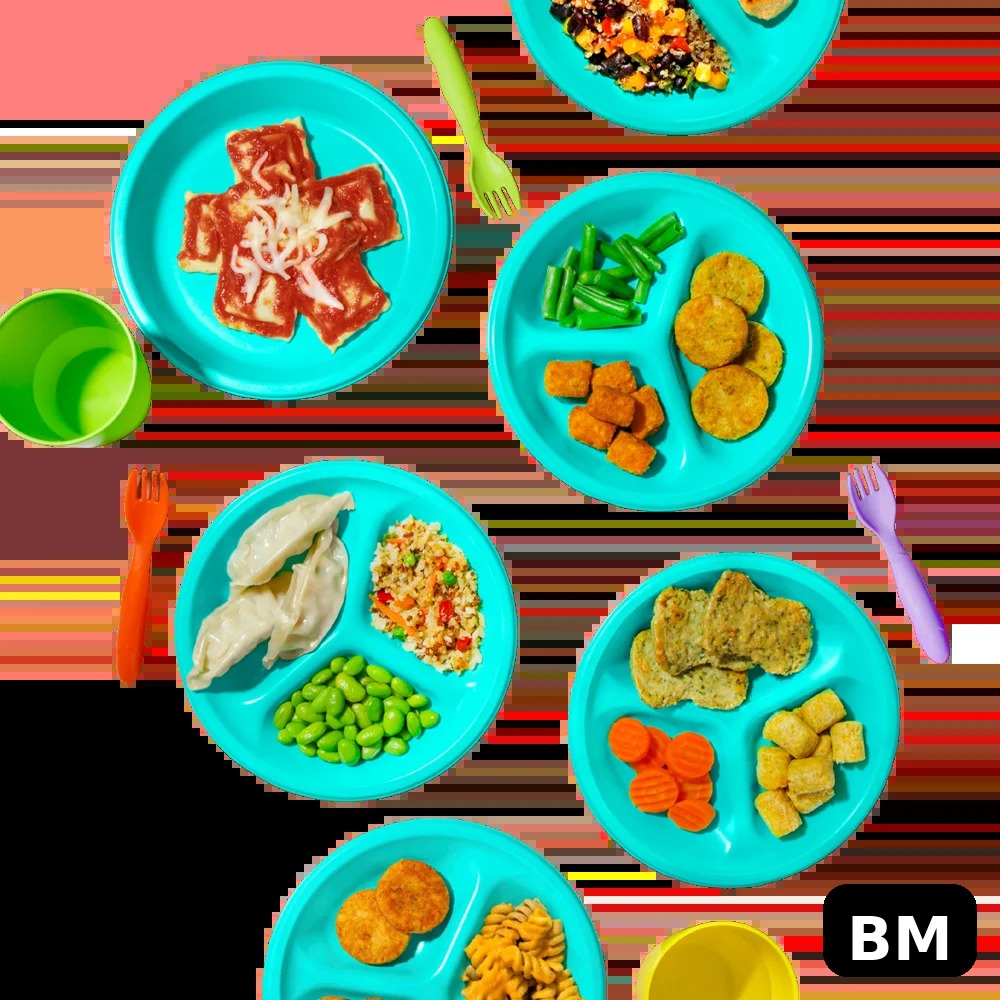
It is 5pm, the toddler is melting down, and you are standing in front of an open fridge with absolutely nothing coming to mind. Every parent of a one-to-three-year-old has lived this exact scene — and the pressure is real, because dinner is often the meal where nutrition, pickiness and exhaustion collide.
Here is the reframe that makes toddler dinners easier: your child does not need a perfect plate every night. Paediatric dietitians consistently say it is intake across the week that matters, not any single meal. A simple, low-pressure dinner with one food your toddler already trusts will beat an ambitious spread that ends in tears — yours or theirs.
Below are 40 dinner ideas organised by strategy rather than just a flat list: 15-minute rescues for the hard nights, one-pot and sheet-pan meals for easy weeks, finger foods and dips for the self-feeding stage, hidden-veggie wins, batch-cook freezer heroes, and build-your-own plates that let a picky toddler feel in charge. Each one is realistic for a real kitchen on a real weeknight.
15-Minute Dinners for the Hard Nights
These are the meals that save you when the day has already taken everything. Minimal chopping, one pan or less, and on the table fast.
1. Buttery pasta with peas and parmesan. Small shapes like orzo or mini shells, tossed in a knob of butter with a handful of peas and a snowfall of parmesan. Familiar, soft, and the peas add a little green without a fight.
2. Cheese quesadilla triangles. A soft tortilla folded over grated cheese, warmed in a dry pan until melty, cut into triangles. Add a smear of refried beans or finely chopped soft peppers if your toddler is feeling brave.
3. Scrambled egg with toast soldiers and berries. Eggs cook in three minutes and deliver excellent protein and iron-boosting nutrients. Toast soldiers are perfect for dunking, and a few soft berries round out the plate.
4. Pitta pizzas. Split pitta as the base, a spoon of passata, a sprinkle of mozzarella, and whatever topping your toddler tolerates. Five minutes under the grill. Let them “help” spread the sauce — participation raises the odds of tasting.
5. Tuna and sweetcorn wraps. Tinned tuna in spring water mixed with a little mayonnaise and sweetcorn, rolled in a soft wrap. A genuinely nutritious no-cook dinner that takes longer to describe than to make.
6. Cheese toastie fingers with tomato soup. Dipping is a superpower with toddlers. Strips of cheese toastie plus a small warm bowl of smooth tomato soup turn dinner into an activity instead of a standoff.
7. Omelette strips with soft avocado. A plain two-egg omelette rolled up and sliced into strips, served with avocado slices and toast. Soft textures, mild flavours, and it all cooks in one pan.
8. Beans on toast, toddler-style. Choose a lower-salt baked bean if you can, warm gently, and serve on soft wholemeal toast cut into fingers. A British classic for a reason — cheap, fast, and most toddlers accept it.
One-Pot and Sheet-Pan Dinners
Fewer dishes, forgiving timings, and flavours that mingle. These are the workhorses of the weekly rotation.
9. Chicken and veg tray bake bites. Dice chicken breast small, toss with olive oil and sweet potato cubes, roast at 200°C until tender. Cut everything toddler-small. One tray, one dinner, minimal washing up.
10. Sausage and veg sheet pan. Slice sausages into coins (and then halve the coins lengthways for safe shapes), roast with peppers and courgette. A note on salt: sausages are salty, so keep the portion small and balance the plate with plenty of veg.
11. One-pot chicken and rice. Chicken thighs, rice, stock and soft veg simmered together until the rice is tender and everything is spoonable. Thighs stay juicier than breast, which matters because dry meat is one of the top toddler rejections.
12. Soft noodle stir-fry. Cooked noodles tossed with finely sliced soft veg and a splash of low-salt soy sauce. Keep the veg genuinely soft — crunchy stir-fry veg is a texture many toddlers reject, but the same veg cooked two minutes longer often passes.
13. Salmon flakes with rice and peas. Bake a salmon fillet until it flakes easily, break it into small flakes (checking carefully for bones), and serve over soft rice with peas. Oily fish once or twice a week is a great habit for growing brains.
14. Turkey meatball tray bake. Roll small meatballs, nestle them on a tray with cherry tomatoes (halved) and courgette chunks, roast until cooked through. Meatballs freeze brilliantly, so double the batch every time.
15. One-pot lentil pasta. Red lentils practically dissolve into a tomato sauce, adding protein and iron with zero detectable texture change. Toss through small pasta shapes and finish with parmesan. Even lentil-sceptic toddlers rarely notice.
Finger Foods and Dippable Dinners
Many toddlers eat dramatically better when they can self-feed. Dips slow the meal down, add nutrition, and make everything more interesting.
16. Mini meatballs with yoghurt dip. Beef, turkey or veggie mini meatballs served with a small pot of plain yoghurt for dunking. The dip is doing half the work here — it cools, moistens and entertains.
17. Homemade chicken goujons. Strips of chicken breast coated in egg and breadcrumbs, baked until golden. Nothing like the freezer-aisle version in the best way — and you control the salt completely.
18. Fish fingers with mashed peas. A toddler classic that earns its place. Mash the peas roughly with a little butter rather than serving them whole and rolling, and serve alongside oven-baked fish fingers.
19. Courgette and carrot fritters. Grated veg squeezed dry, mixed with egg and a spoon of flour, fried in small patties. Crispy edges, soft middles — the texture combination toddlers tend to love.
20. Cheese and veg muffins. A savoury muffin batter with grated cheese and finely chopped soft veg, baked in a mini muffin tin. Perfect hand size, freezer-friendly, and they reheat in seconds.
21. Baked tofu cubes with rice and edamame. Toss firm tofu in a little oil and bake until golden at the edges. Mild, soft, protein-rich — and the edamame (shelled, and halved for under-twos) adds a fun poppable element.
22. Falafel with pitta strips and hummus. Soft homemade or good-quality shop falafel, torn into pieces, with warm pitta strips and hummus for dipping. A complete little vegetarian dinner with barely any cooking.
Hidden Veggie Wins
Sneaking vegetables into accepted foods is not cheating — it is strategy. The goal is nutrition now and repeated gentle exposure alongside, not deception forever.
23. Mac and cheese with blended butternut squash. Roast squash until soft, blend it into the cheese sauce. It makes the sauce silkier and slightly sweeter, and adds real vitamin A. Most toddlers genuinely cannot tell.
24. Pasta sauce with blitzed carrots and lentils. Simmer carrots, onion and red lentils in passata, then blend smooth. It looks like ordinary tomato sauce and eats like a hug. Freeze in portions and you have instant dinners for weeks.
25. Cauliflower cheese. Soft cauliflower under a proper cheese sauce, baked until bubbling. The cheese does the persuading; the cauliflower does the nourishing.
26. Cottage pie with sweet potato mash. Mince (or lentils) and veg under a lid of mashed sweet potato. Sweet potato mash is naturally sweet enough that many veg-sceptic toddlers accept the whole dish.
27. Veg-packed meatballs. Grate courgette and carrot straight into the meatball mix and squeeze out the moisture first. They keep the meatballs juicy and add a full serving of veg per portion with no visible evidence.
28. Dinner pancakes with grated apple. Banana-oat pancakes with grated apple folded through, served warm with yoghurt. Pancakes for dinner feel like a treat, which is exactly why they work on the nights nothing else will.
Batch-Cook and Freezer Heroes
Future-you will be grateful. Cook once, eat three times, and always have a homemade option for the nights cooking feels impossible.
29. Mini bolognese portions. A big pot of bolognese with extra finely chopped veg, frozen in toddler-sized portions. Defrost, heat, toss with fresh pasta — dinner in the time the pasta boils.
30. Chicken soup with alphabet pasta. A gentle chicken and veg soup with alphabet or star-shaped pasta. The novelty shapes genuinely increase intake for some toddlers, and soup is wonderfully forgiving on portion pressure.
31. Cottage pie minis. Bake cottage pie filling in a muffin tin with a mash lid. Individual portions defrost fast, reheat evenly, and the size is exactly right for small hands.
32. Mild chickpea and coconut curry. Chickpeas and soft veg simmered in a mild coconut and tomato sauce, served over soft rice. Keep the spice genuinely mild — toddlers can enjoy gentle flavour, but heat is a fast track to refusal.
33. Fish pie portions. Flaked white fish and peas in a light sauce under mashed potato, frozen in ramekins. A proper comfort dinner that reheats from frozen in the oven while you do bath time.
34. Veggie chilli with rice. Beans, lentils and soft peppers in a mild tomato chilli. Freezes perfectly, costs almost nothing per portion, and works for the whole family with hot sauce added at the table for the grown-ups.
Build-Your-Own Plates
Control is currency for toddlers. When they assemble the meal themselves, refusal rates drop — because nobody is forcing anything.
35. Deconstructed tacos. Soft tortilla strips, seasoned mince or beans, cheese, avocado and sweetcorn in separate little piles. Your toddler builds; you do not negotiate. This is one of the most reliably accepted formats in toddler feeding.
36. Baked potato bar. A fluffy baked potato with small bowls of cheese, beans, tuna mayo and sweetcorn. Splitting the potato open and letting them stuff it keeps them engaged for a full twenty minutes.
37. DIY pitta pockets. Warm mini pittas with fillings to stuff: shredded chicken, hummus, cucumber sticks, grated cheese. Stuffing is a motor-skill activity that happens to end in eating.
38. Pasta bar. A bowl of plain pasta shapes plus small bowls of two sauces and toppings — tomato, cheese sauce, peas, sweetcorn, parmesan. Choice without chaos: you pick the options, they pick the combination.
39. Breakfast-for-dinner board. Scrambled egg, toast fingers, banana slices, yoghurt and a few oatcakes arranged on a board. Breaking the “rules” of what dinner looks like can reset a toddler who has decided they hate dinner.
40. Toddler charcuterie plate. Cheese cubes, soft crackers, banana coins, cucumber sticks, halved cherry tomatoes and a little hummus. No cooking at all, nutritionally balanced, and the variety keeps picky eaters grazing happily.
Tips That Make Every Dinner Easier
Think in weeks, not meals. One beige dinner is not a nutritional emergency. Toddlers naturally vary their intake day to day; what matters is the pattern across the week. This takes the pressure off tonight, which — paradoxically — often makes tonight go better.
Always include one safe food. Every plate should have at least one thing your toddler already accepts. It gives them a way into the meal and removes the panic of a plate full of strangers. The safe food is not a reward; it is the bridge.
Keep portions tiny. Toddler portions are roughly a quarter of an adult’s, and a small portion that gets finished feels like success while a big one that gets abandoned feels like failure. You can always offer more — and seconds of something requested taste better than anything served under pressure.
Cut for safety, every time. Round foods are the biggest choking risk: always quarter grapes, cherry tomatoes and large blueberries lengthways, and cut sausages and hot dogs lengthways into strips rather than coins. Whole nuts should wait until around age five. Serve food warm, not hot, and keep your toddler seated while eating.
Watch the salt and honey. Do not add salt to food for babies under one, and keep it minimal for toddlers — their kidneys are still maturing. Honey is off the menu until twelve months because of infant botulism risk. These two rules alone eliminate most of the worry about “adult” food.
Re-offer without fanfare. Research suggests it can take 15 to 20 calm exposures before a new food feels familiar enough to accept. A food ignored tonight is not a food rejected forever — just put it on the plate again next week, no commentary, no bribes. For more practical parenting ideas like these, Bilium Magazine regularly covers family life alongside its lifestyle features.
Frequently Asked Questions
What is a good portion size for a toddler’s dinner?
Much smaller than you think — roughly a quarter of an adult portion is a good starting point. A tablespoon or two of each component is plenty for many one-year-olds, growing gradually by age three. Start small and offer seconds; an empty plate they ask to refill beats a full plate that overwhelms them.
My toddler refuses dinner most nights. What should I do?
First, check the day’s structure: too much milk or too many snacks close to dinner are the most common culprits. Offer dinner at a consistent time, include one accepted food, and avoid cooking a separate “backup” meal — short-order cooking teaches toddlers that refusal gets results. If they eat little, offer a small supper snack later and try again tomorrow without making it a battle.
Which foods are choking hazards for toddlers?
The main ones are round, firm foods: whole grapes, cherry tomatoes, large blueberries, hot dog rounds, whole nuts, popcorn, raw hard carrot chunks and globs of nut butter by the spoonful. Quarter round foods lengthways, grate or cook hard veg until soft, spread nut butters thinly, and always supervise seated eating.
How much milk should my toddler drink?
Paediatric guidance generally suggests capping cow’s milk at around 16 to 24 ounces (roughly 470–700ml) a day after the first birthday. More than that can fill a small stomach and crowd out appetite for solid food, as well as reduce iron absorption. Serve milk with meals rather than as an all-day drink, and offer water between meals.
Can my toddler just eat what the family eats?
Yes — and it is one of the best strategies there is. Serve the family meal with a few toddler adjustments: hold back added salt, keep spice mild, cut everything to safe shapes and sizes, and make sure textures are soft enough. Eating the same food as everyone else normalises new flavours far faster than a separate “kids’ menu” ever will.
Bottom Line
The goal of toddler dinner was never a spotless plate or a photo-worthy spread. It is a calm table, a child who feels safe trying things, and a week of eating that roughly balances out. Pick one or two ideas from this list that fit your actual life — the freezer portions, the deconstructed tacos, the humble beans on toast — and let the rest wait for the weeks you have more in you. Dinner is a marathon, not a nightly exam, and you are doing better at it than the 5pm panic suggests.
